06.11.2026
Russian Historical Society Proposes Teaching Civil Servants and Media Workers About the Unity of Peoples
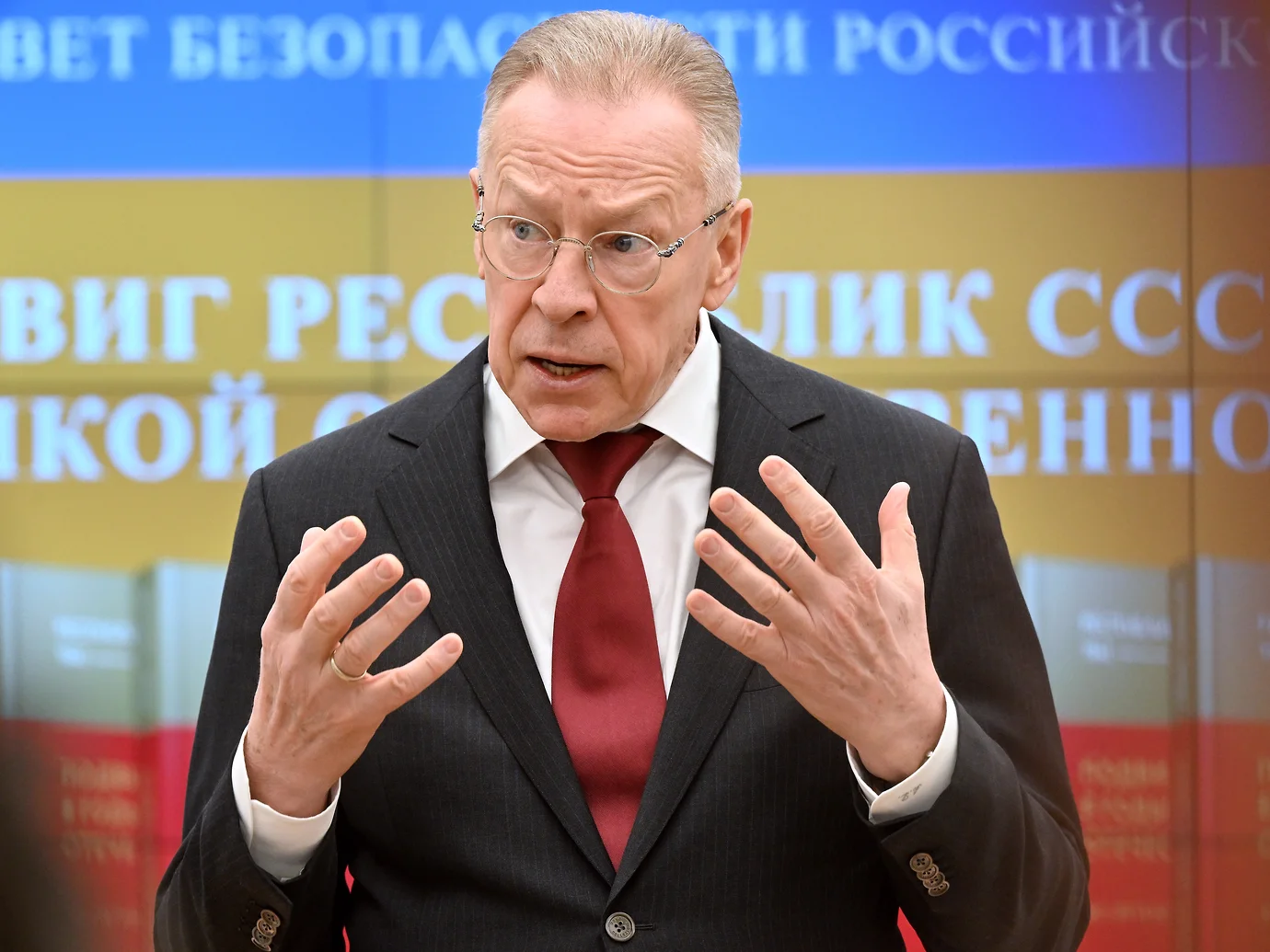
The Russian Historical Society (RHS) has proposed organizing short-term history courses for civil servants and media workers. The initiative came from RHS council member and RSUH Rector Andrei Loginov during the International Week “Peoples of Russia.” In his view, this is needed to better reflect the historical unity of the peoples of the Russian Federation in the state agenda. Focusing attention on the priorities of multiethnic policy is a task for today’s and tomorrow’s research alike. The past “supplies the material,” but turning it into “continuously transmitted shared knowledge” is the very mission of humanities universities, Andrei Loginov noted:
“(What is needed) is not supplying politics with decorative historical footnotes, but the rigorous production of knowledge, the cognitive basis of our country’s civic unity”.
At the same time, society needs “not so much ready-made conclusions” as “the ability to distinguish reliable knowledge from its imitation,” the Rector believes. In effect, this means that if national policy “wants to rely on history,” it needs not a “fixed set of narratives” but a “working academic community” and “institutional channels through which its output reaches the public sphere.”
“Without this, any historical argument risks being belated, arbitrary or unconvincing,” Rector Loginov warned.
But in this area there are still “gaps,” the Rector’s words suggested. First, fundamental research on the shared history of the peoples living in Russia runs into technical limitations such as the inaccessibility of archives, insufficient systematization of local sources and a modest methodological toolkit for comparative studies. Second, there are difficulties with the “transfer of knowledge to society,” Andrei Loginov acknowledged.
In this connection, he believes, programs for digitizing and scholarly annotation of local historical sources should be initiated; a mandatory module, “Methods of Teaching the History of Multiethnic Regions,” should be introduced into the training of historians, developing the ability to work with “sensitive material” and “multiple narratives”; and, finally, “short-term history programs” should be created for officials and media workers.
The subject of education, as Mr. Loginov observed, should be not only “the sum of knowledge” but also “the ability to understand why we live together.” This thesis is made concrete in three principles: “process matters more than conclusion,” “institution matters more than declaration,” “difference matters more than homogeneity.”


