23.10.2026
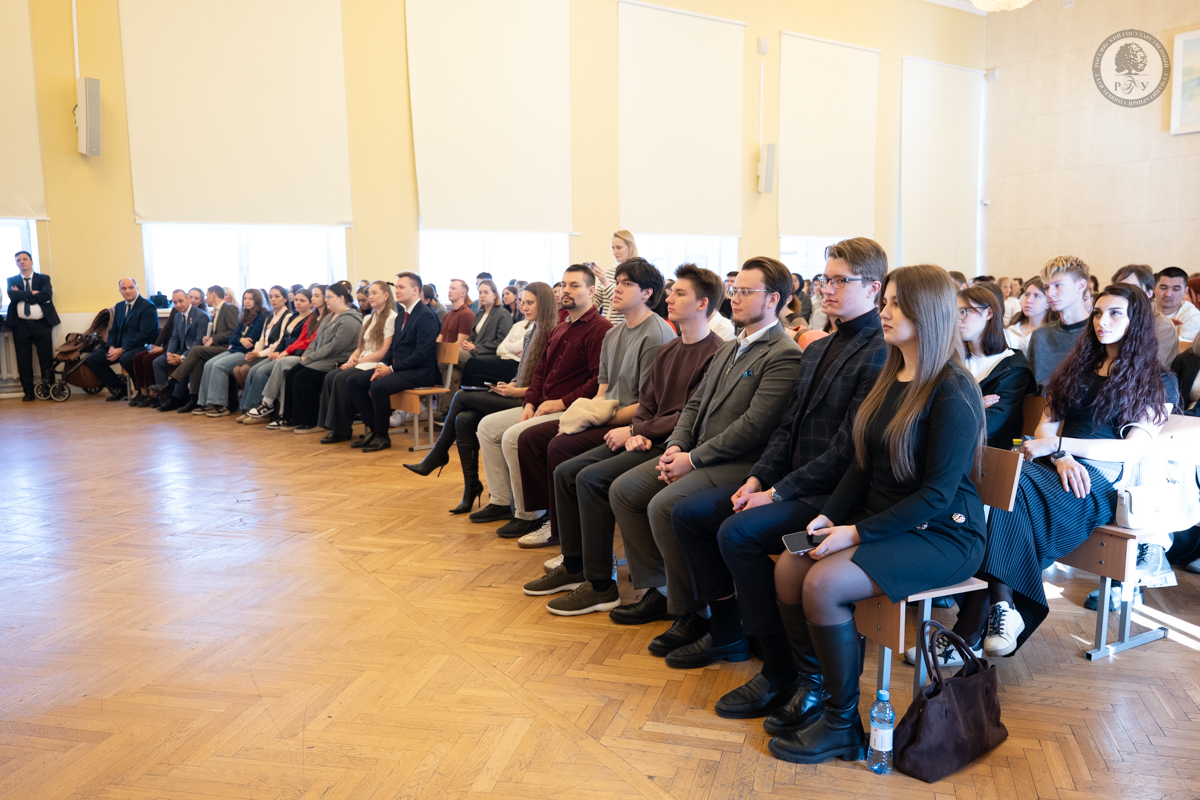
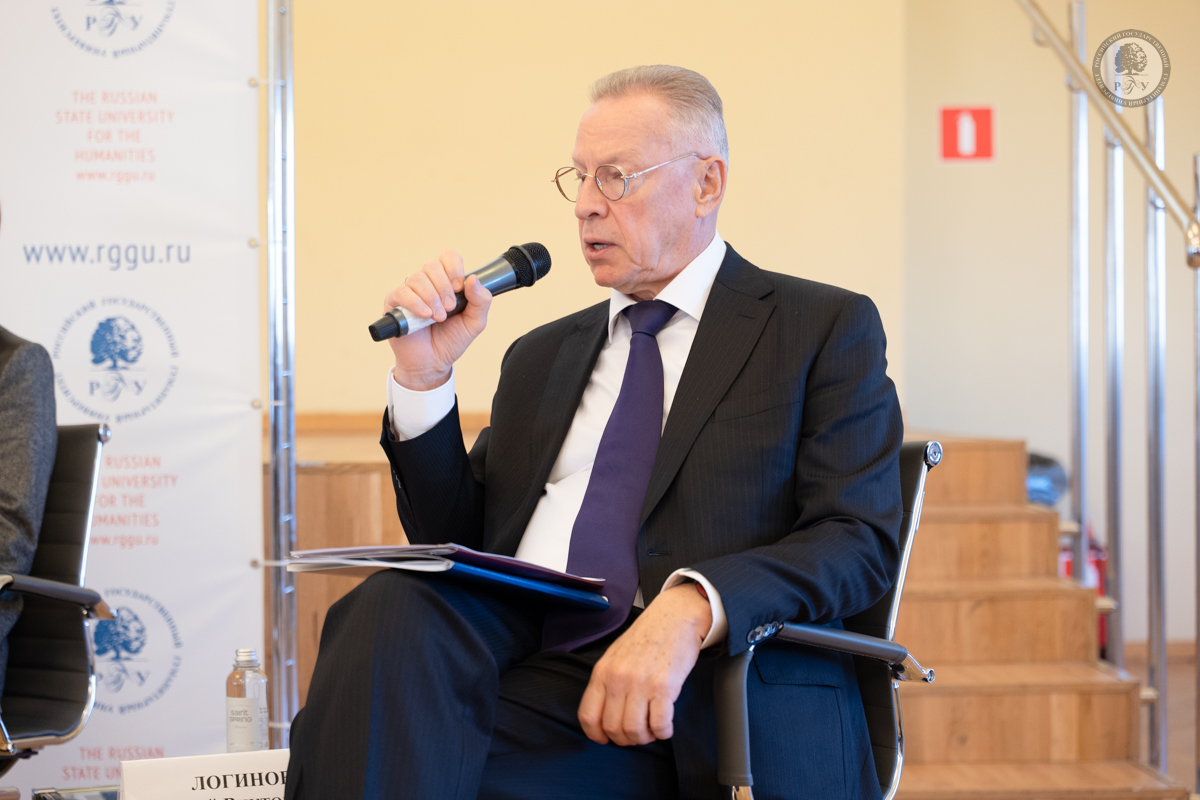
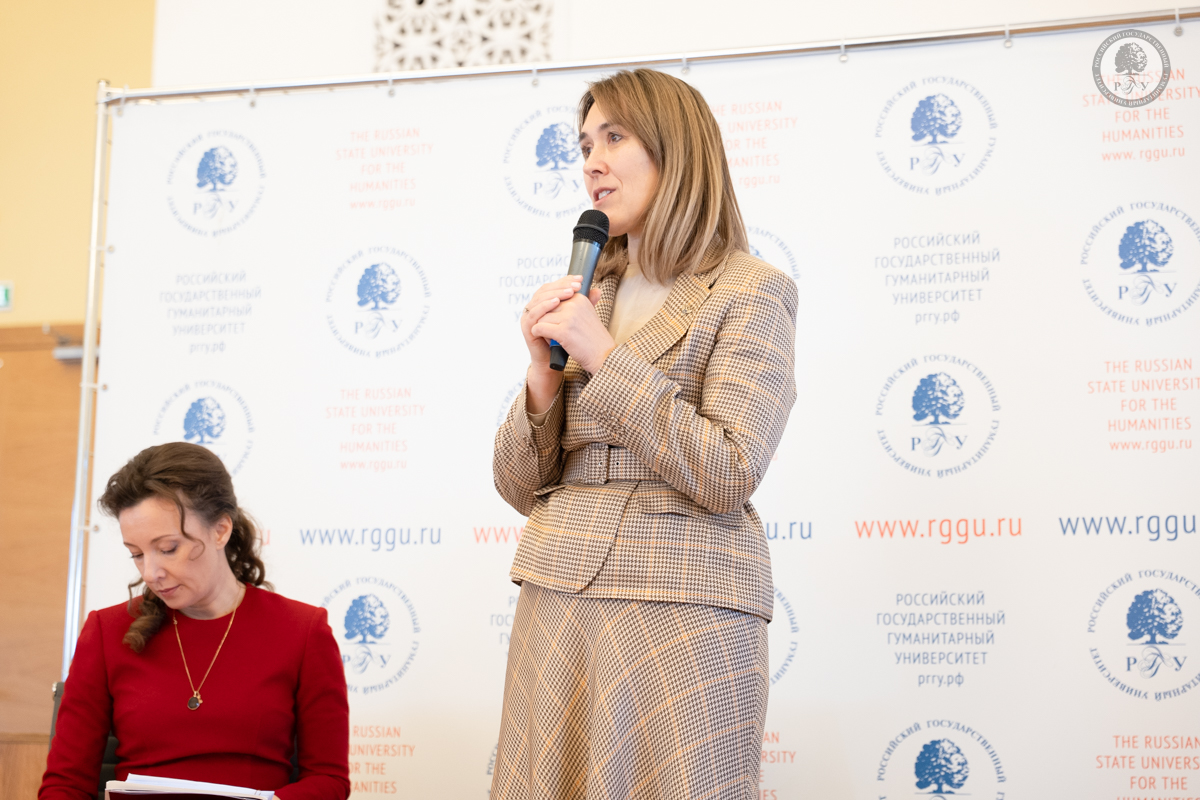
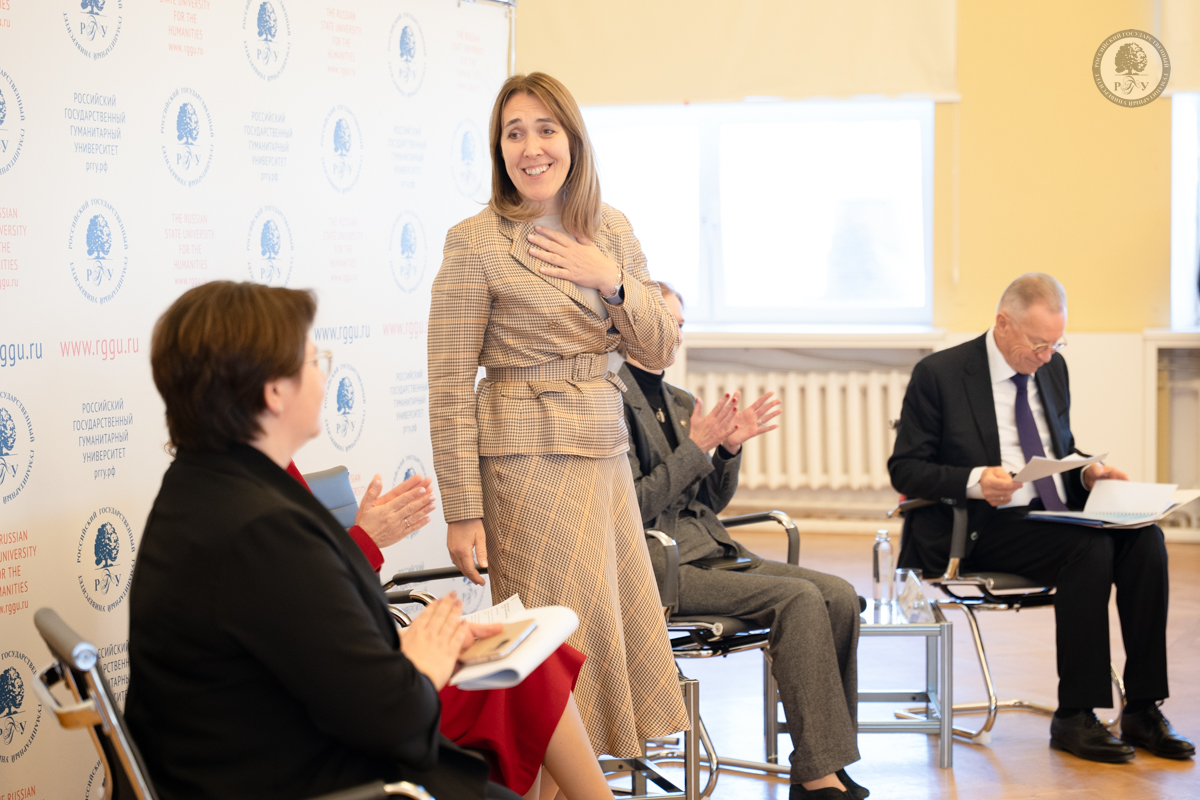
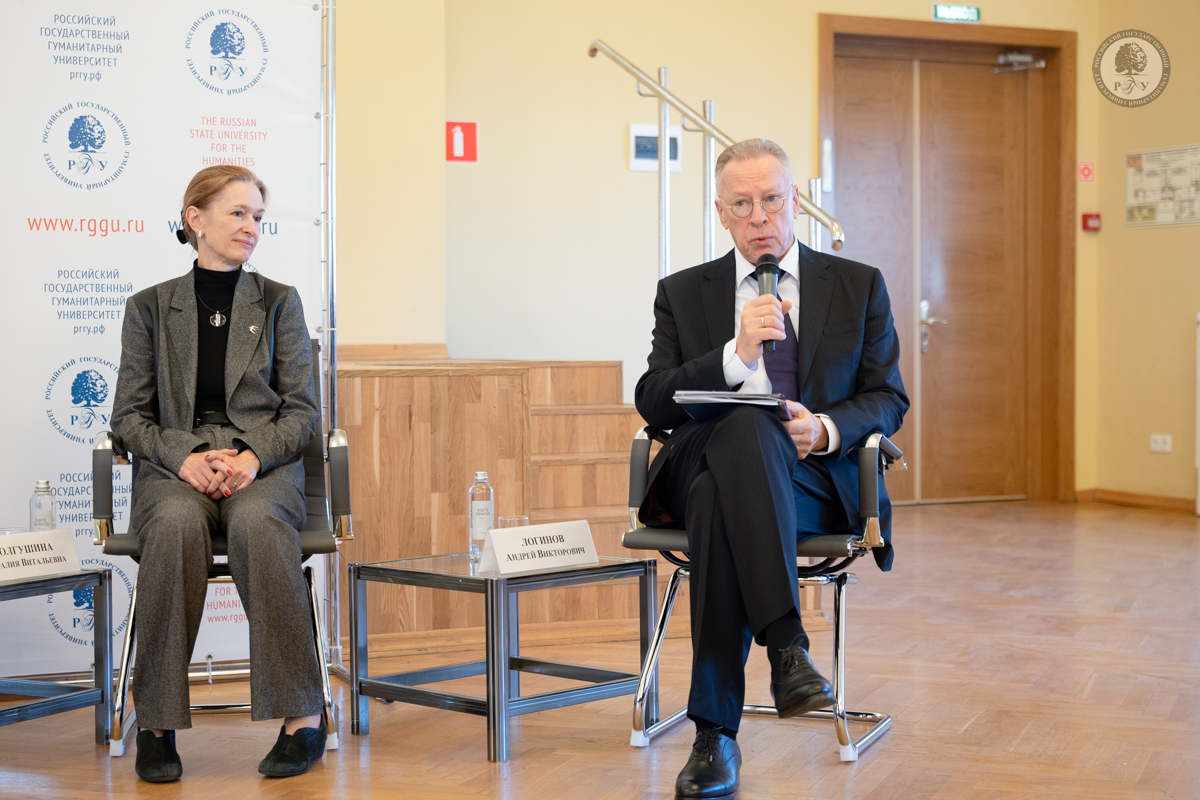
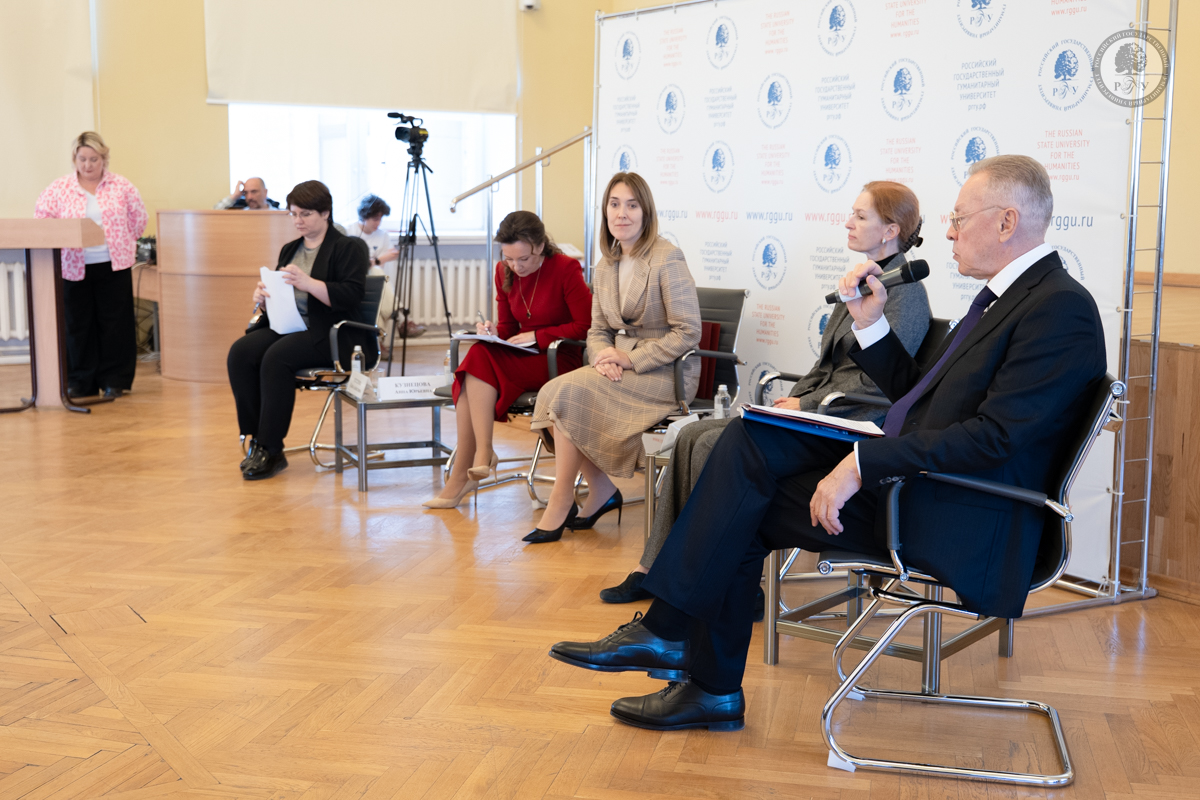
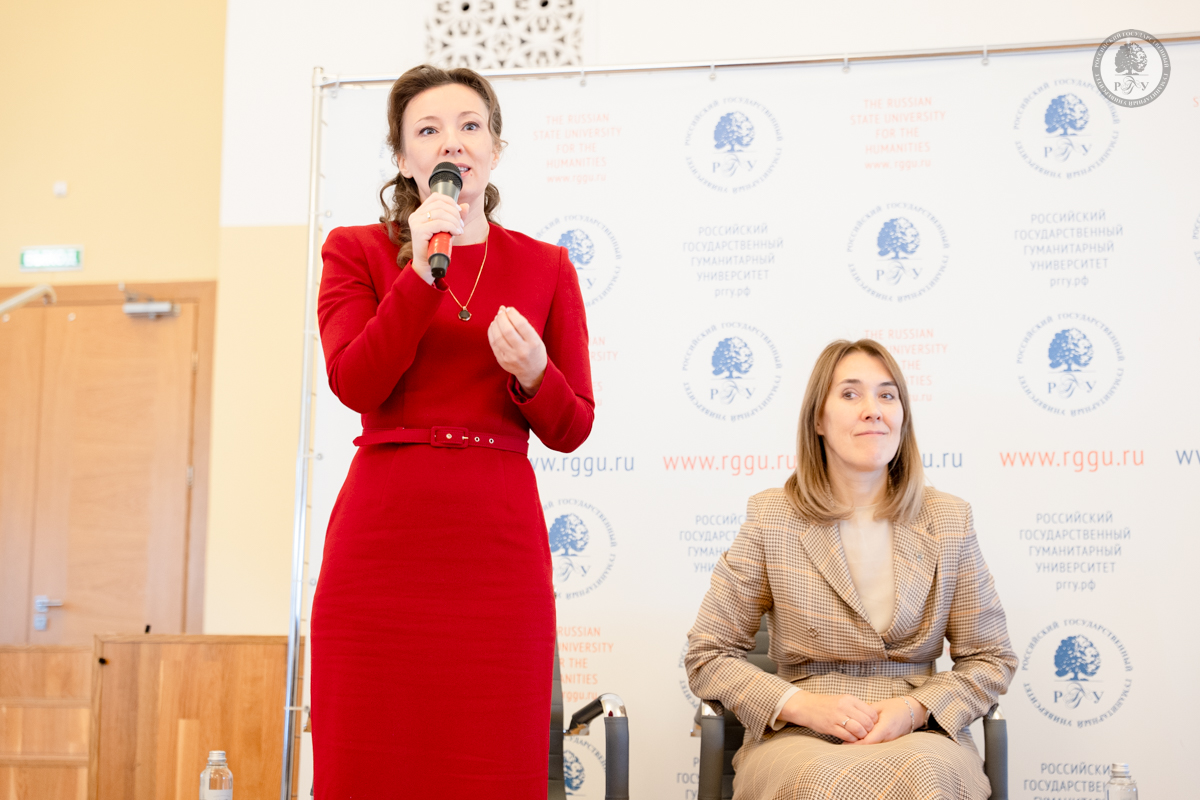
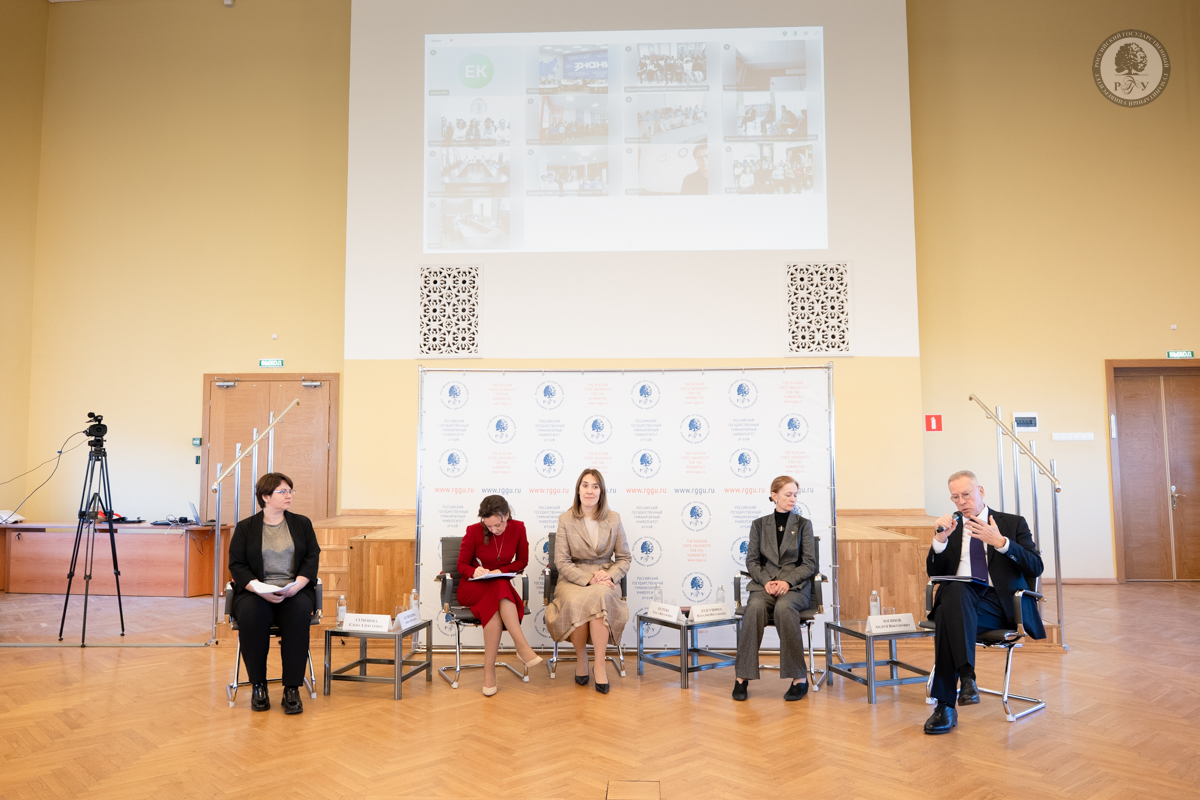
On October 23, RSUH hosted an open dialogue entitled “Universities as a Space for Strong Families,” bringing together representatives of federal government authorities, the academic community, and student families to discuss support measures for young parents, the strengthening of family values, and the role of universities in addressing demographic challenges.
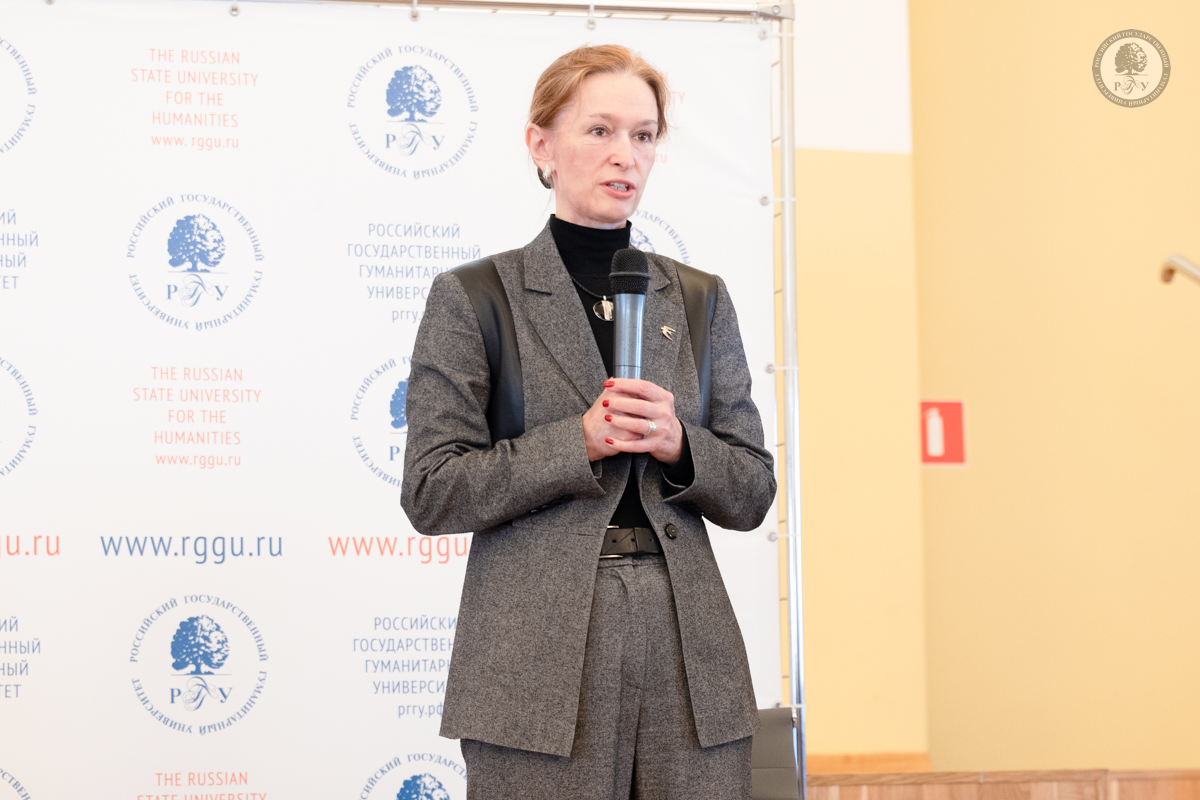
«Student years are a time when key life values become firmly established. Family is one of them. Our shared task is to create conditions in which young people can pursue their desire to start families while combining education and parenthood. Only by joining the efforts of the state, regions, and universities can we turn existing support measures into tangible results», — said Olga Petrova, Deputy Minister of Science and Higher Education of the Russian Federation.
One of the central topics of the meeting was reconsidering the role of higher education in the face of modern demographic challenges. Overcoming these challenges requires a deep understanding of the cultural, psychological, and social changes influencing young people's attitudes toward marriage and parenthood. In this context, the research potential of universities becomes particularly important, as they are capable not only of investigating the causes of ongoing processes but also of proposing solutions that take into account the characteristics of contemporary society.
Behind large-scale demographic trends, however, are primarily the personal stories of young people whose ideas about the future do not always align with the opportunities available to them. Anna Kuznetsova, Deputy Chairwoman of the State Duma of the Federal Assembly of the Russian Federation, focused on this contradiction, referring to student survey results showing that many young people would like to start families while still studying but face circumstances that force them to postpone their plans.
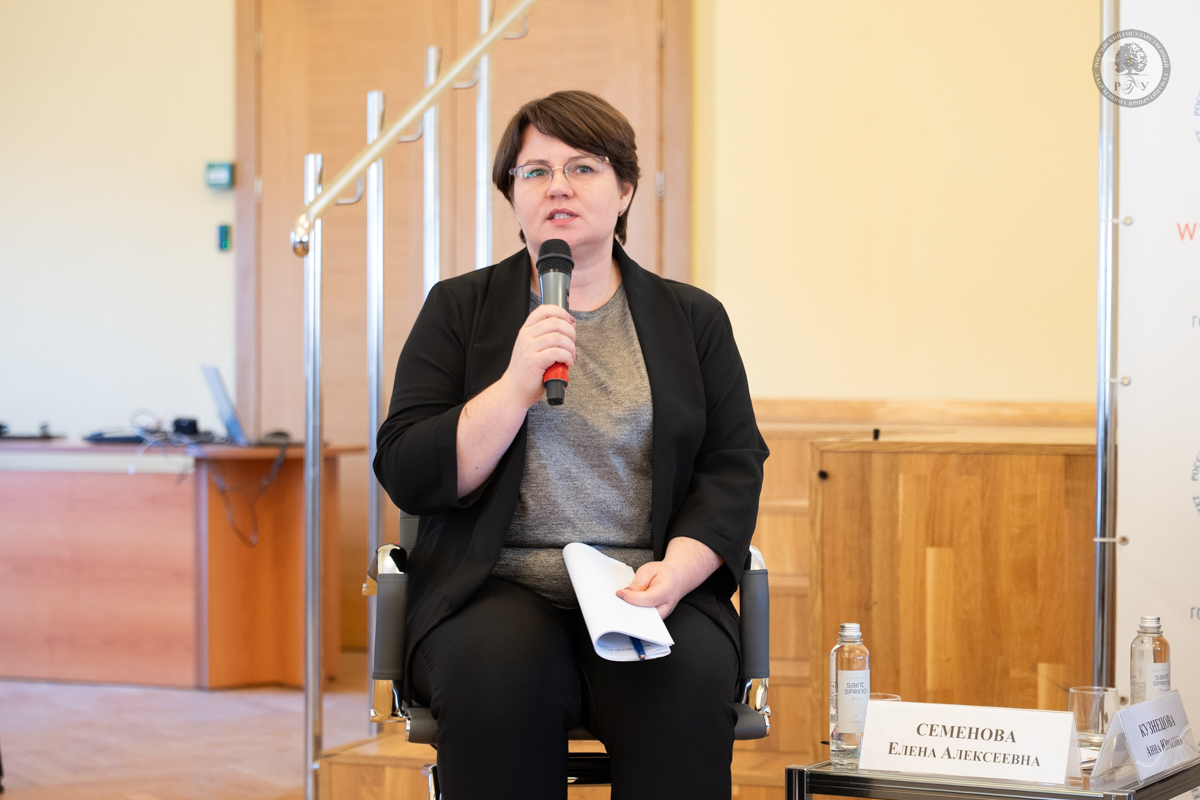
Elena Semyonova, Deputy Director of the Department of Demographic and Family Policy of the Russian Ministry of Labour, spoke about how these principles can be implemented beyond university classrooms. According to her, a family-oriented approach involves not only improving government programs but also changing the organization of everyday life itself, ensuring that public spaces, social institutions, and workplaces become comfortable for parents with children.
Alongside social conditions and public attitudes toward parenthood, participants discussed the medical aspects of family planning, paying particular attention to preserving young people's reproductive health. The discussion covered the development of preventive medicine, the expansion of women's health clinics, and access to medical examinations, about which, as became clear during the meeting, far from all students are sufficiently informed.
An important part of the meeting was a question-and-answer session during which students, including those participating via videoconference, were able to address representatives of federal agencies directly, discuss available government support measures, and highlight the difficulties they face when combining their studies with raising children.
The dialogue demonstrated that the future of student families is shaped not only by government initiatives but also within the university environment itself, where academic knowledge, educational opportunities, and attention to the needs of young parents can create conditions in which professional ambitions and family plans complement rather than contradict one another.