27.10.2026
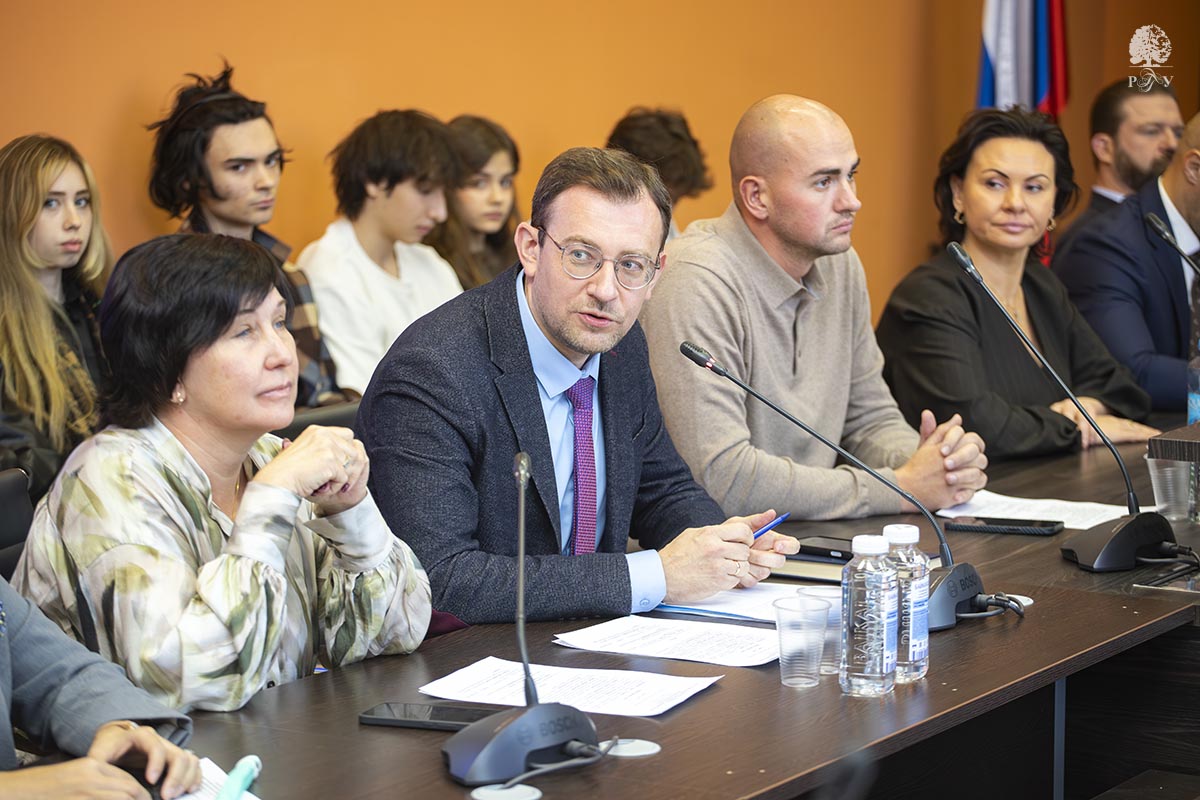
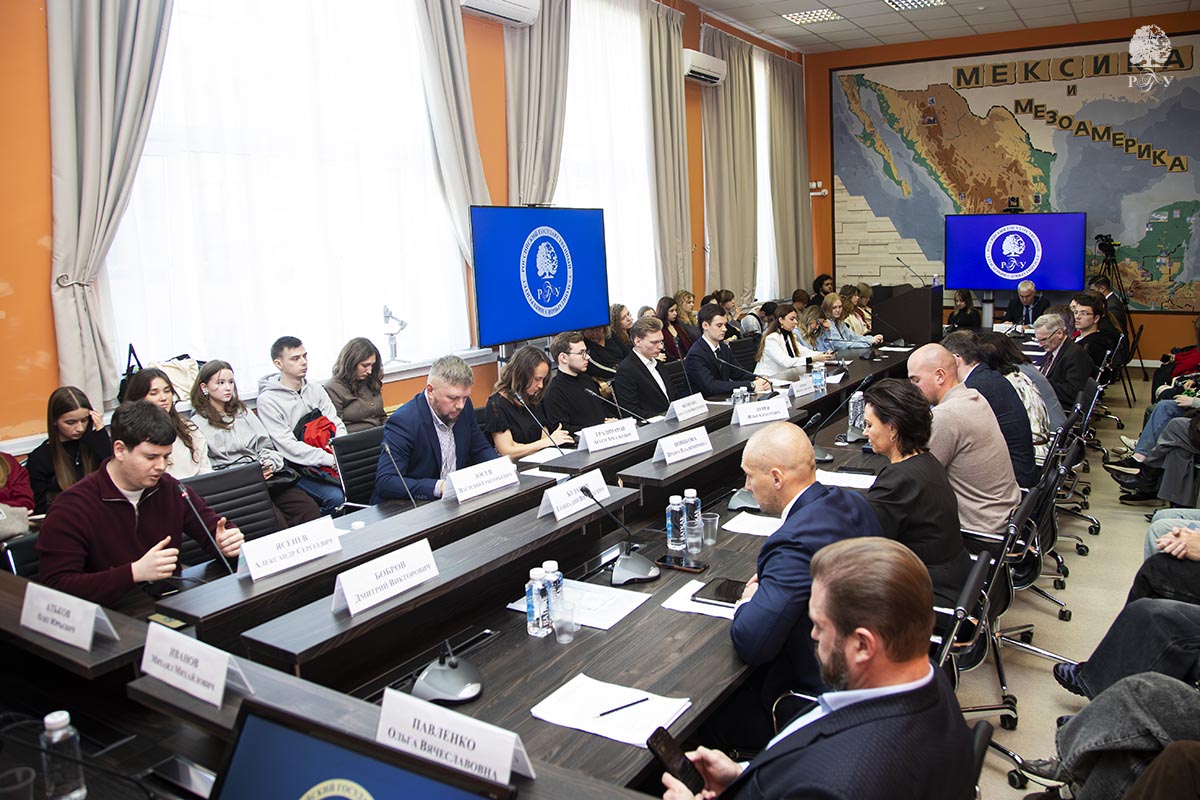
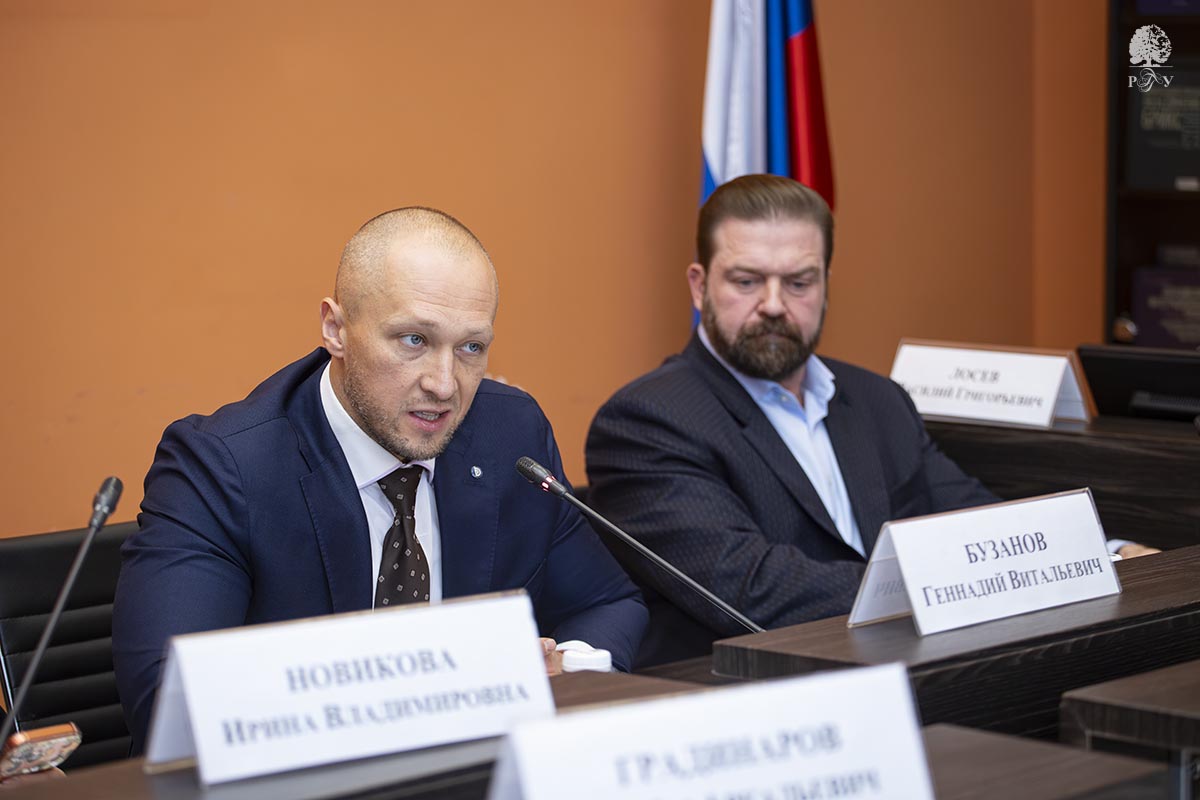
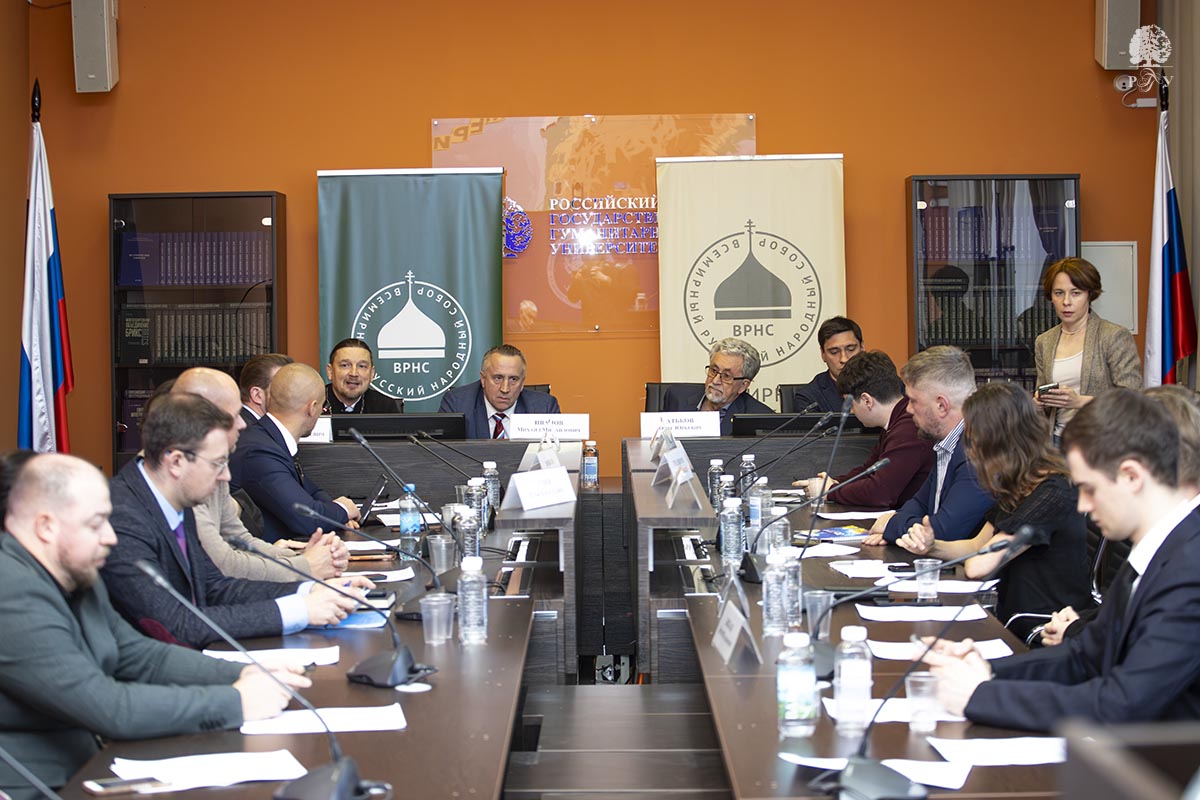
On October 26, RSUH hosted the youth conference “The Path of the Modern Generation of Entrepreneurs: Value Orientations,” bringing together representatives of academia, business, public organizations, and the student community to discuss the role of moral principles, family traditions, and social responsibility in the development of modern entrepreneurship.
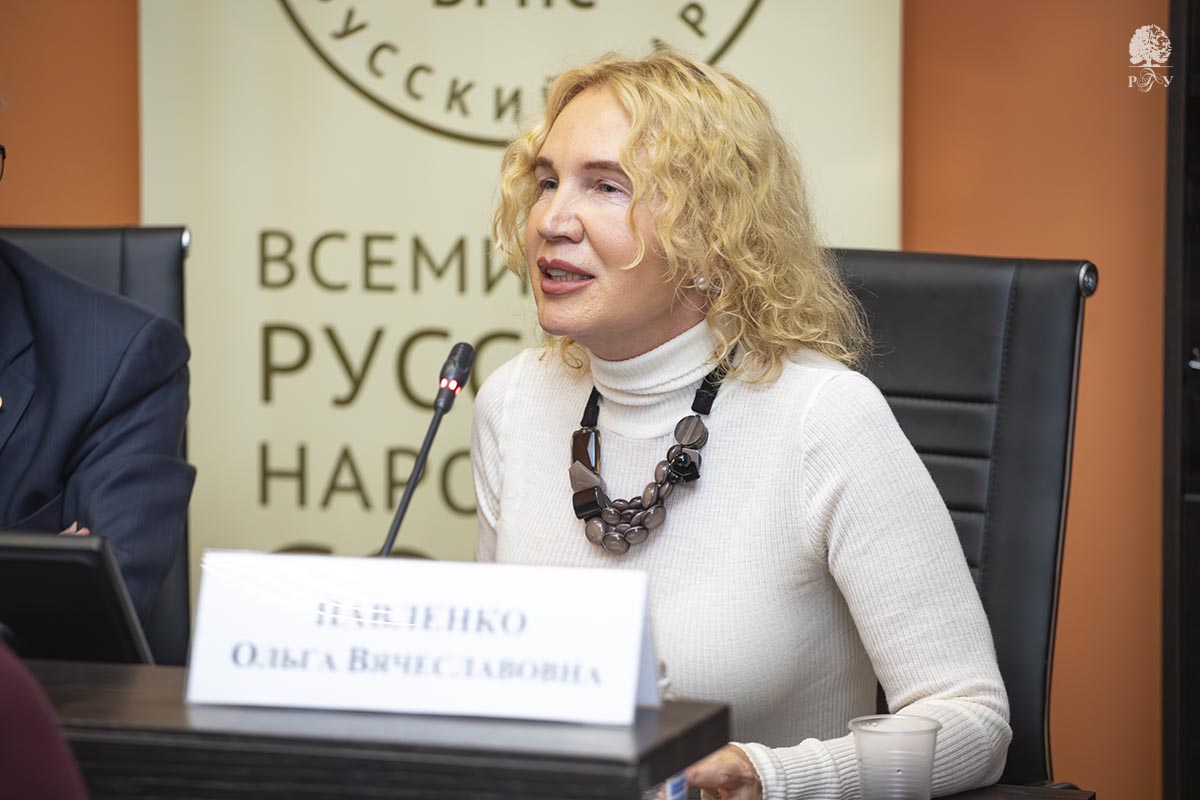
“We are launching an entirely new project that is very important for the university. It will give our students, studying across a wide range of academic disciplines, the opportunity to interact with remarkable people who have achieved significant success in business, culture, and science. It is especially important for us that young people can learn from their experience and understand the values on which the activities of people who have contributed so much to our country are built,” emphasized Olga Pavlenko, RSUH Vice-Rector for Research and Project Activities.
The conference, held with the participation of representatives of the World Russian People’s Council (Sobor), provided a platform for discussing entrepreneurship in which the pursuit of professional success is inseparable from responsibility toward society. Particular attention was paid to developing the organization’s youth division, intended to bring together students and young professionals around educational, charitable, and other socially significant initiatives.
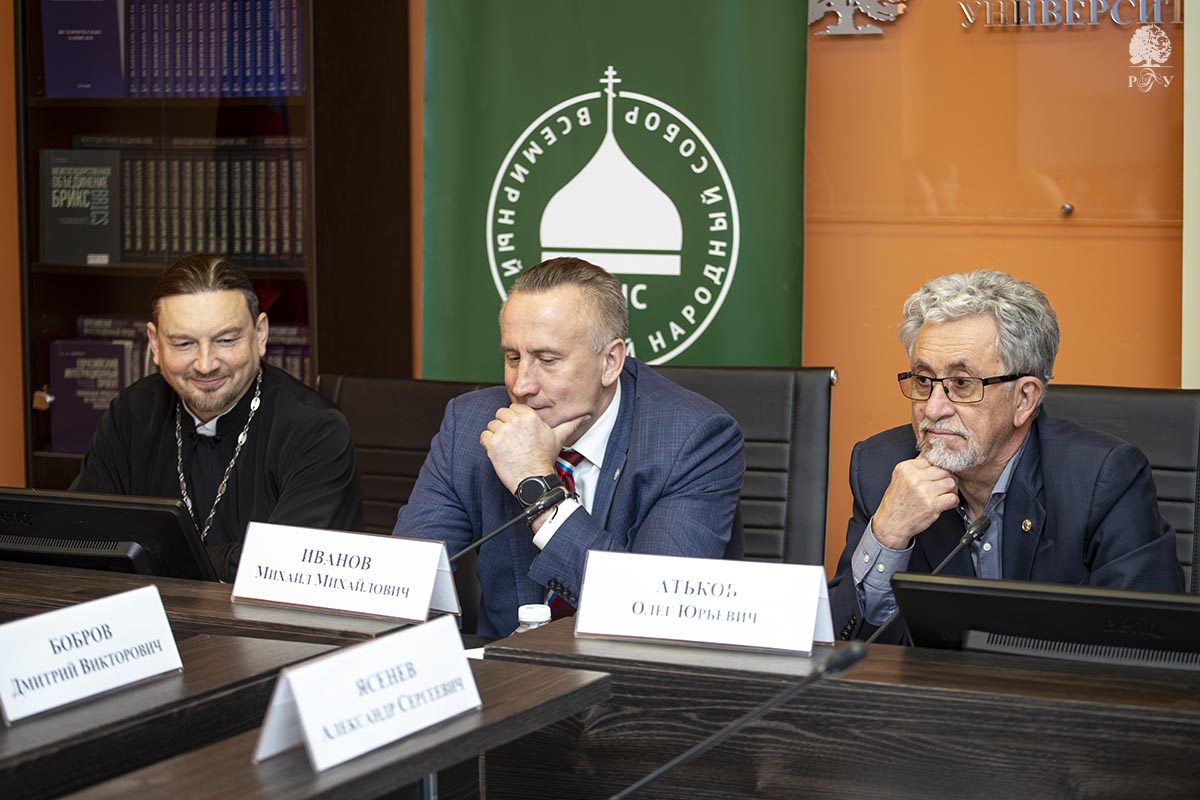
Developing the discussion of the Orthodox foundations of Russian business culture, Mikhail Ivanov, Deputy Head of the World Russian People’s Council, turned to historical perceptions of entrepreneurship, in which honesty, keeping one’s word, and serving others are inseparable from one’s attitude toward work and charity.
A practical continuation of the discussion was the story of Alexander Yasenev, CEO and founder of SOKIT, who progressed from his first orders in the information technology sector to developing software for automating medical institutions.
Another example of combining personal convictions with entrepreneurial initiative was presented by Irina Novikova, who spoke about the development of the Belarusian Village project. Drawing on family history, national traditions, and cultural heritage became the starting point for creating a business that combines the promotion of Belarusian products with an effort to preserve connections between generations.
Oleg Atkov, Hero of the Soviet Union and USSR pilot-cosmonaut, addressed the topic of professional development, sharing his memories of working in space medicine and the establishment of Russian telemedicine. Recalling the initial skepticism toward his ideas, he emphasized the importance of perseverance, self-discipline, and the willingness to defend promising developments even when their practical value is not yet apparent to others.
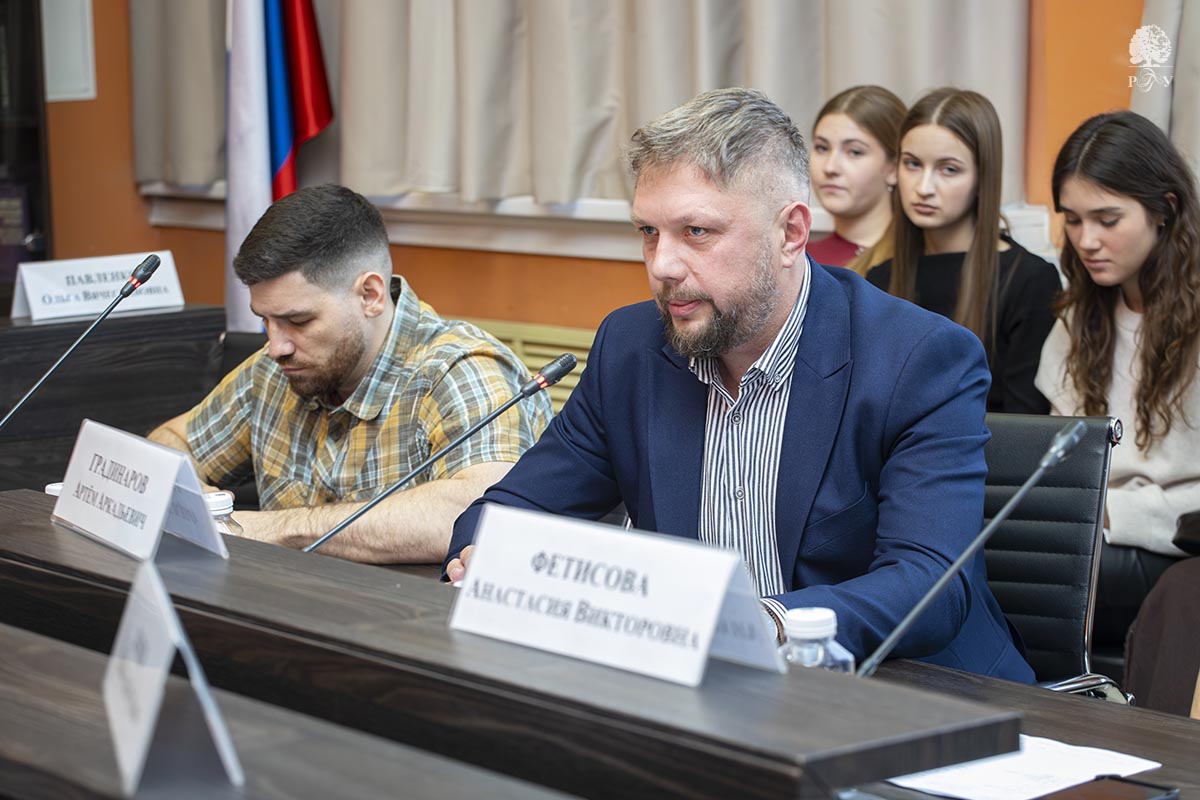
From the participants’ personal stories, the discussion moved on to various forms of socially responsible entrepreneurship. Artem Gradinarov, CEO of GRAD-STROY, presented his experience implementing initiatives related to Orthodox values, including projects in physical education and youth development. Continuing this theme, Anastasia Fetisova, winner of the Presidential Grants Foundation competition, spoke about opportunities to develop a church and historical museum complex capable of bringing together the preservation of cultural heritage, educational activities, and religious and cultural tourism.
Another important topic was the specifics of interacting with younger generations in the professional environment. Artem Minasyan, a representative of the World Russian People’s Council’s youth community, discussed modern approaches to team management, emphasizing that effective cooperation is based not only on formal obligations and financial incentives but also on trust, mutual respect, and a sense of involvement in a shared undertaking.
Participants also paid particular attention to the development of artificial intelligence and the digital economy, considering new technologies not only as a source of entrepreneurial opportunities but also as an area in which the question of responsibility for the consequences of decisions becomes especially pressing.
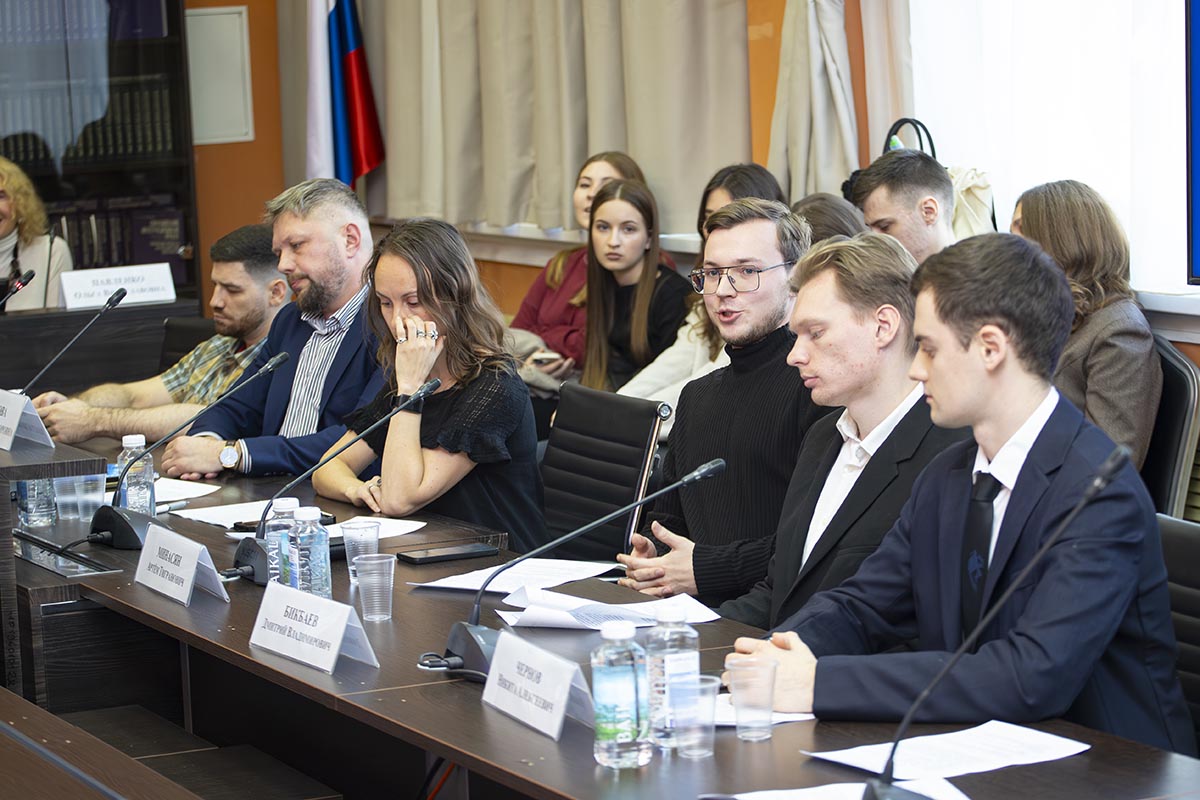
An important part of the conference was an open dialogue with RSUH students, who had the opportunity to discuss the creation of their own businesses directly with invited experts.
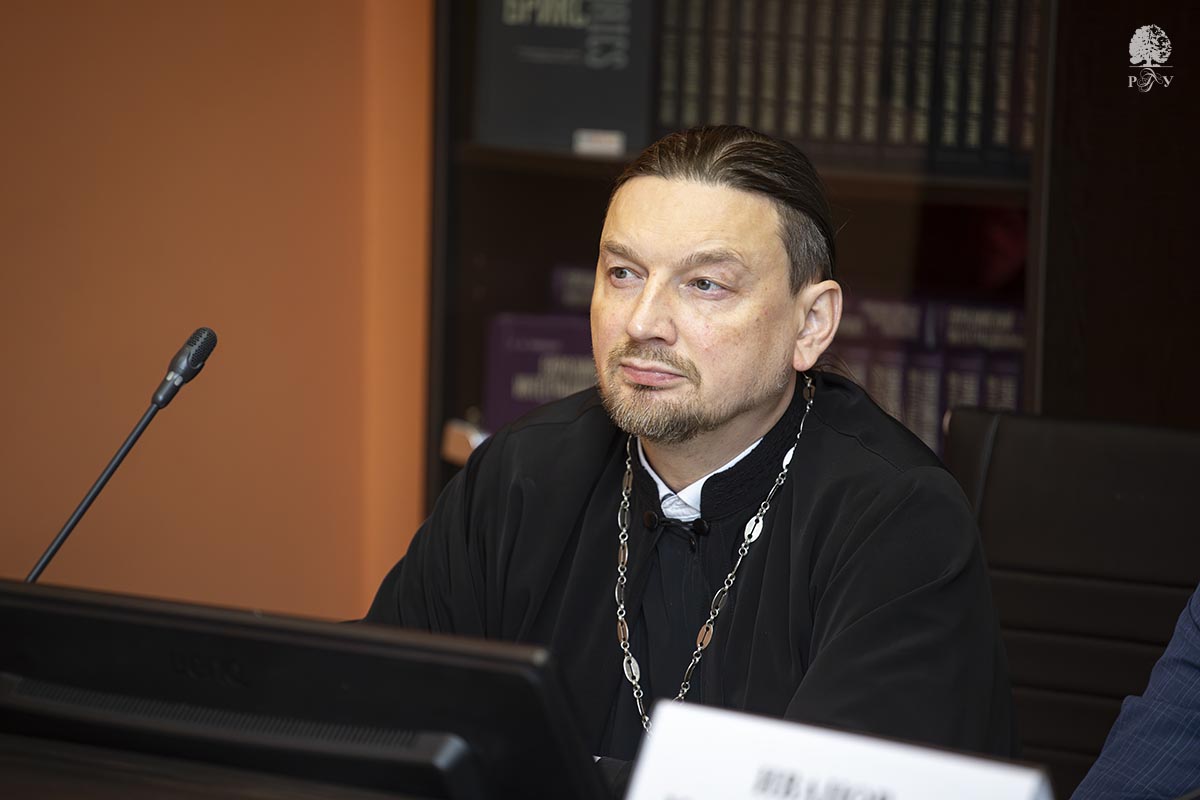
Alongside the exchange of experience, participants considered the prospects for establishing a youth movement within the World Russian People’s Council, intended to unite representatives of different professional fields in implementing educational and socially significant projects. Vasily Losev, Rector of St. Nicholas Cathedral in Pavshinskaya Poyma and Head of the Legal Department of the Moscow Metropolis, spoke about the importance of this initiative.
Continuing the discussion of the practical prospects for the youth association, Nikita Lebedev, Head of Youth Policy at the World Russian People’s Council, emphasized the importance of cooperation between students and representatives of business and public organizations, which could provide the necessary support for promising initiatives.
It is expected that cooperation with the business community, philanthropists, and public organizations, as well as the attraction of grant funding, will help turn students’ ideas into concrete projects combining professional competencies with service to society.